








Supreme Leader of Iran (2026): Role, Powers, and Mojtaba Khamenei Explained
Learn about the Supreme Leader of Iran in 2026, including powers, role in government, and the rise of Mojtaba Khamenei after Ali Khamenei. A complete guide.


Introduction
The Supreme Leader of Iran is the most powerful political and religious authority in the Islamic Republic. Unlike many countries where the president holds the highest authority, Iran operates under a unique system where the Supreme Leader stands above all branches of government.
In 2026, this position gained global attention due to a major leadership transition—from Ali Khamenei to Mojtaba Khamenei. This shift has reshaped Iran’s political landscape and raised important questions about its future.
What Is the Supreme Leader of Iran?
The Supreme Leader is the head of state and highest authority in Iran. This position was created after the 1979 Islamic Revolution and is rooted in the concept of Velayat-e Faqih (Guardianship of the Islamic Jurist).
The role combines religious authority with political power, making it unique in modern governance systems.
Key Powers of the Supreme Leader
The Supreme Leader holds extensive powers that influence nearly every aspect of Iranian governance:
- Commander-in-Chief of Armed Forces
- Controls foreign policy direction
- Appoints key officials (judiciary head, military leaders, etc.)
- Supervises executive, legislative, and judicial branches
- Final decision-maker on national issues
These powers make the position more influential than the president.
How Is the Supreme Leader Selected?
The Supreme Leader is not elected by the public. Instead, the selection is done by the Assembly of Experts, a group of Islamic scholars elected by the people.
- The Assembly evaluates candidates
- Chooses a leader through internal deliberation
- Can remove the leader if deemed unfit
This system ensures that leadership remains tied to religious and ideological qualifications rather than direct democratic voting.
Leadership Change in 2026
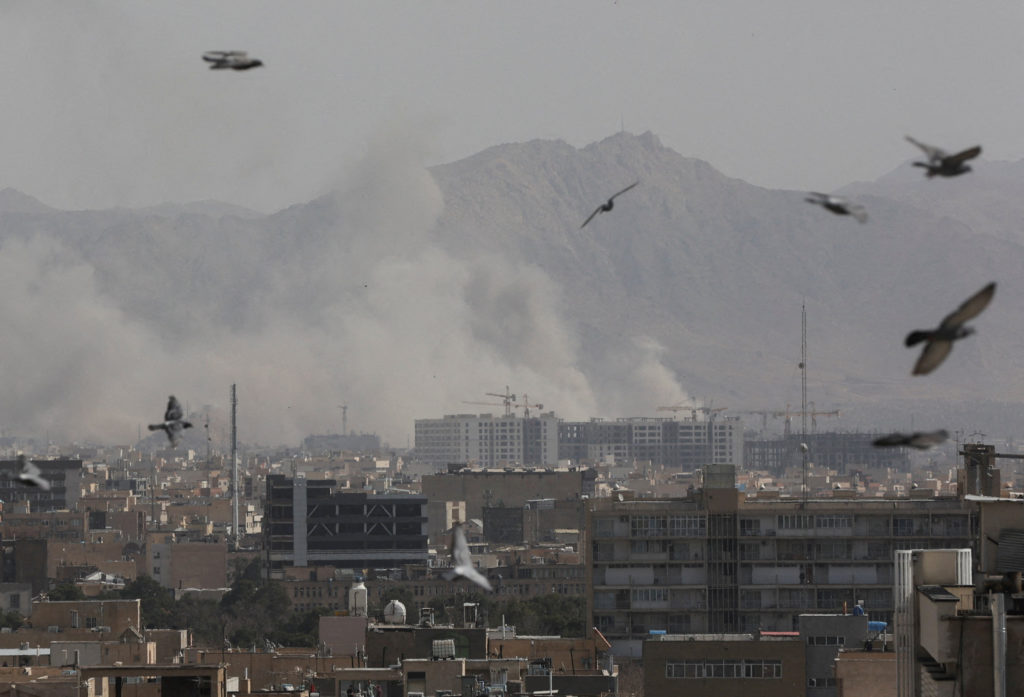
A major turning point occurred in 2026 when Ali Khamenei, who ruled from 1989, was killed during a conflict.
Following his death, the Assembly of Experts selected his son, Mojtaba Khamenei, as the new Supreme Leader in March 2026.
This transition was significant because:
- It marked only the third Supreme Leader since 1979
- It introduced concerns about dynastic succession
- It occurred during a period of war and internal unrest
Who Is Mojtaba Khamenei?
Mojtaba Khamenei is an Iranian cleric born in 1969 and the son of Ali Khamenei. Before becoming Supreme Leader, he worked behind the scenes within the leadership structure.
Key Facts:
- Became Supreme Leader in March 2026
- Known for strong ties to Iran’s security institutions
- Previously influential in political decision-making without a formal public role
He is considered a hardline figure, and his leadership signals continuity in Iran’s ideological direction.
Role of the Supreme Leader in Iran’s Government
Iran’s political system is often described as a hybrid system combining democracy and theocracy.
- The President handles day-to-day governance
- The Parliament creates laws
- But the Supreme Leader oversees and can override all
This structure ensures that religious authority remains central to governance.
Why the Supreme Leader Matters Globally
The Supreme Leader’s decisions affect not just Iran but the entire world:
- Nuclear policy decisions
- Relations with the U.S., Israel, and other countries
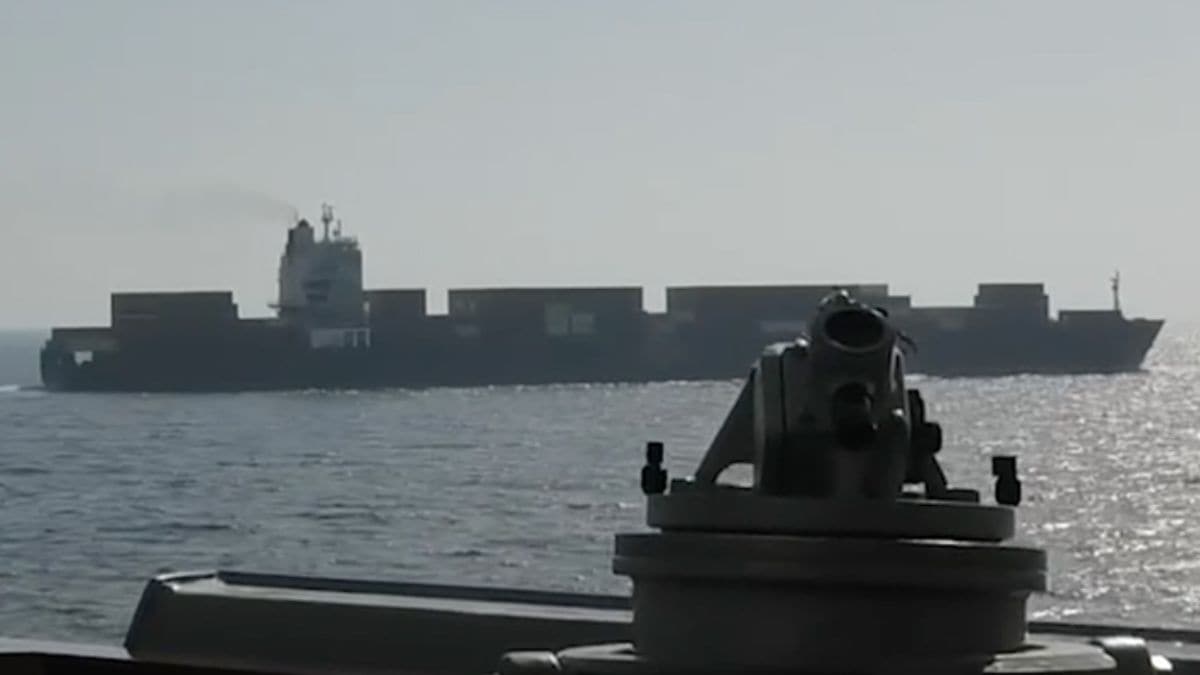
- Control over strategic regions like the Strait of Hormuz
Because of this, global leaders closely monitor changes in Iran’s leadership.
Challenges Facing the Current Leadership
The current Supreme Leader, Mojtaba Khamenei, faces several challenges:
- Ongoing geopolitical tensions
- Economic pressures and sanctions
- Domestic protests and political divisions
- Managing succession legitimacy concerns
These issues will shape Iran’s future direction in the coming years.
What's Your Reaction?
 Like
0
Like
0
 Dislike
0
Dislike
0
 Love
0
Love
0
 Funny
0
Funny
0
 Angry
0
Angry
0
 Sad
0
Sad
0
 Wow
0
Wow
0