
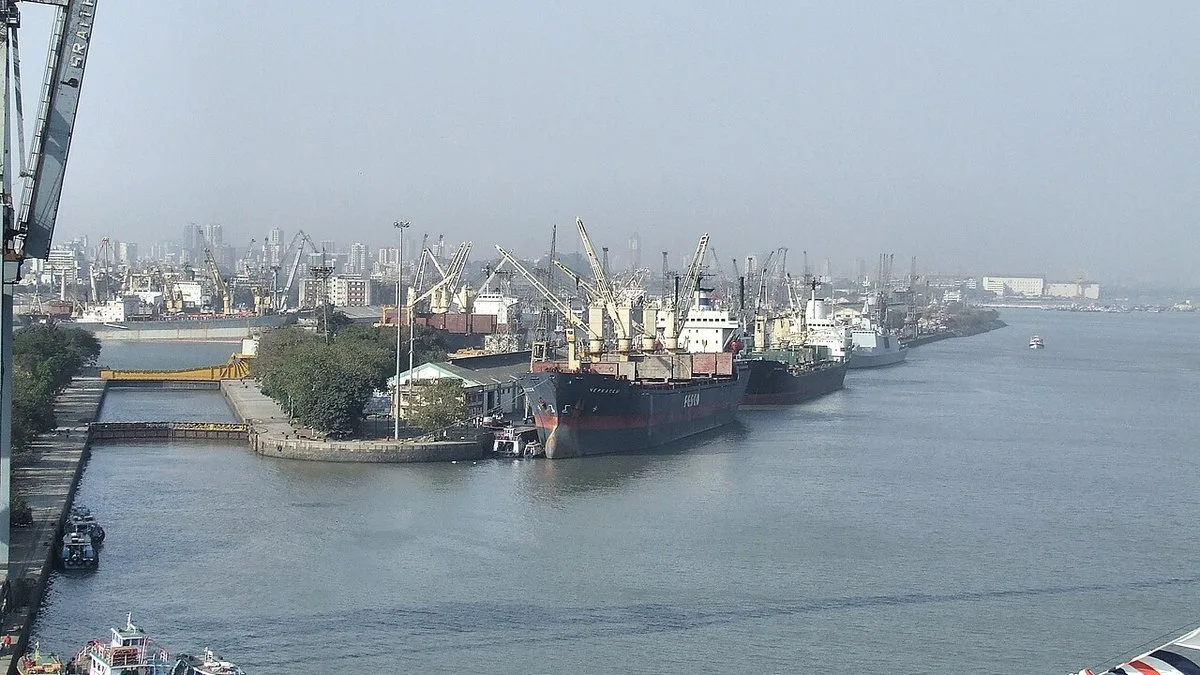
Prime Minister Narendra Modi has called for a "free, open, secure and rules-based maritime order" that brings peace and prosperity to every nation. His message was delivered to the opening of Sagarmanthan: The Great Oceans Dialogue, which began in New Delhi on Wednesday, October 7, with ministers, naval leaders and maritime experts from across the world in attendance.
The timing is hard to miss. The dialogue opened as merchant ships continue to come under attack in the Gulf, including a tanker carrying 17 Indian crew members that was struck near the Strait of Hormuz this week.
What is Sagarmanthan?
Sagarmanthan is India's flagship global conference on the oceans, organised by the Ministry of Ports, Shipping and Waterways together with the Observer Research Foundation (ORF). The first edition was held in New Delhi in 2024, and the second took place in Mumbai in 2025 as part of India Maritime Week. This is the third edition.
The name means "churning of the ocean", a reference from Indian tradition associated with the discovery of new possibilities – a point the Prime Minister highlighted in his message.
Key points from PM Modi's message
- A rules-based order at sea: He said what happens in one part of the world can affect places far beyond its shores, which is why cooperation on the oceans matters more than ever.
- Ocean as responsibility: India's relationship with the sea, he said, "is also about responsibility" – protecting ocean health and coastal ecosystems while growing the maritime economy.
- Port capacity: India's major ports have nearly doubled their capacity, and turnaround times have come down significantly.
- Seafarers: Indian seafarers now form the second-largest maritime workforce in the world.
- New laws: New-generation maritime laws have been introduced to build a modern legal framework for the sector.
- Science and exploration: The government is investing in ocean science and exploration.
- Shared prosperity: India's maritime vision rests on cooperation, trust, mutual respect and mutual benefit, with the oceans becoming a source of shared prosperity where every country has a voice.
He also linked a stronger maritime sector directly to the goal of a Viksit Bharat by 2047.
Who is attending
Union Ports, Shipping and Waterways Minister Sarbananda Sonowal, Minister of State Shantanu Thakur and Chief of the Naval Staff Admiral Krishna Swaminathan are among the Indian leaders taking part. The international line-up includes ministers and senior officials from Belgium, the European Commission, Mauritius, Bhutan, Mozambique, Lithuania, Greece, Myanmar and Norway.
Former Australian Prime Minister Kevin Rudd, former Tunisian Prime Minister Mehdi Jomaa and former Maldives President Mohamed Nasheed are also among the speakers.
Sagarmanthan 2026 at a glance
| Detail | Information |
|---|---|
| Edition | Third |
| Opened | October 7, 2026, New Delhi |
| Organisers | Ministry of Ports, Shipping and Waterways and ORF |
| Partner governments | Netherlands and Norway |
| Knowledge partners | OECD, German Maritime Museum, MENA2050 |
| Policy link | Maritime Amrit Kaal Vision 2047 |
Five big themes on the table
- Steady Straits – keeping trade flowing through chokepoints in a fractured world
- Blue Breakthroughs – greener ships and shipbuilding
- Complex Seas – managing trade, connectivity and turbulence
- Ocean Societies – coastal communities, cultures and livelihoods
- The Heart of the Deal – linking harbour cities to the hinterland
Why it matters for India right now
For a country that moves the bulk of its trade by sea and imports most of its oil, the stability of shipping lanes is not an abstract issue. Recent attacks on vessels in the Gulf have put Indian sailors directly in harm's way and raised worries about fuel supplies and freight costs.
At the same time, India is trying to build a much bigger maritime economy – more port capacity, a revived shipbuilding industry and a larger share of global shipping services. Hosting a dialogue like Sagarmanthan helps New Delhi present itself as a responsible maritime power and a voice for developing and small island nations, which often bear the heaviest costs when sea routes are disrupted.
What happens next
Over the coming sessions, delegates will hold plenaries, ministerial meetings and technical discussions across the five themes. Watch for any announcements on shipbuilding partnerships, green shipping corridors and seafarer safety as the dialogue wraps up.


Comments (0)