
Days after taking over as captain of India's women's cricket team, Smriti Mandhana has picked up a new role off the field. UNICEF India on Sunday named the star opener its Celebrity Advocate, with a focus on giving girls an equal chance to play, learn and lead. The announcement was timed with the International Day of the Girl Child on October 11.
For a cricketer who grew up in Sangli, Maharashtra, and went on to become the world's top-ranked women's ODI batter, it is a role that draws directly on her own story.
What Mandhana will do for UNICEF India
As Celebrity Advocate, Mandhana will build on the work she has already done for children's and young people's rights. UNICEF India said she will champion equal opportunities for girls to play and thrive, and support its programmes on the empowerment, health and well-being of adolescent girls.
"I am deeply honoured to join UNICEF India as a Celebrity Advocate," Mandhana said. "Growing up playing cricket taught me that every dream begins with an opportunity." She added that every child deserves the chance to dream big.
Cynthia McCaffrey, UNICEF India Representative, said Mandhana's journey "from an aspiring young athlete to a global cricket icon demonstrates to girls what is possible". She described investing in girls' rights, leadership and well-being as one of the smartest investments a country can make, and said UNICEF looked forward to working with Mandhana so that every girl can learn, play, lead and reach her potential.
| Role | UNICEF India Celebrity Advocate |
| Announced | Sunday, October 11, 2026 |
| Occasion | International Day of the Girl Child |
| Focus | Adolescent girls' empowerment, health, well-being, equal chance to play |
| Cricket role | Captain, India women's team |
| ICC ranking | World No. 1 women's ODI batter |
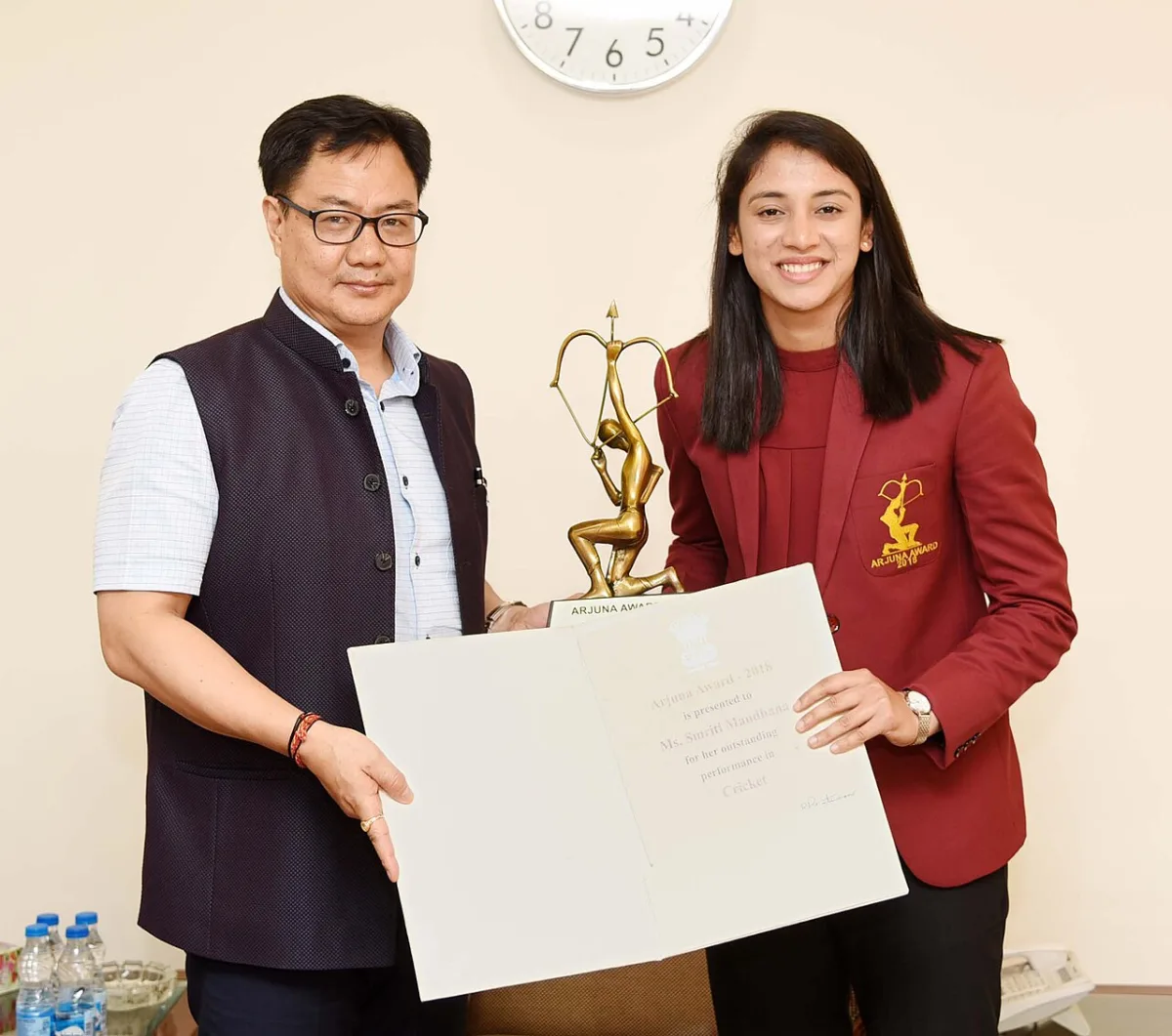
| Honours | Arjuna Award; two-time ICC Women's Cricketer of the Year |
Not her first innings with UNICEF
The partnership is not entirely new. Mandhana has earlier lent her voice to joint UNICEF–ICC campaigns on gender equality and life skills, and to UNICEF's Promise to Children campaign. The formal title now gives her a bigger platform to speak on issues that affect millions of girls across India.
Why girls' rights need champions
India has around 253 million adolescents, about one in five of its people and 21 per cent of the world's adolescent population. UNICEF points out that children in poorer urban and rural communities still struggle with poverty and limited access to good services, and that adolescent girls in particular face barriers that restrict their choices about education, work, marriage and relationships.
UNICEF works with governments, communities, civil society and young people to change that. Its approach includes:
- Teaching life skills and creating leadership opportunities for girls.
- Providing safe spaces where girls can meet, learn and play.
- Challenging harmful gender norms in families and communities.
- Keeping girls in school and expanding social protection.
- Connecting girls to skills and livelihoods that help them delay marriage.
Sport is a natural fit for that message. Getting girls onto a playground or a cricket field often means persuading families that time spent playing is not time wasted, and few people make that case better than a World Cup winner.
A big week for India's new captain
The UNICEF role caps a remarkable few days for Mandhana. Earlier this week she was named captain of the Indian women's team after Harmanpreet Kaur stepped down from the job she had held for a decade, and she will lead India in their upcoming series in Zimbabwe.
Her numbers explain why she has become the face of women's cricket in India. She was part of the squad that won India's first ICC Women's Cricket World Cup in 2025. That same year she became the first woman to score more than 1,000 ODI runs in a calendar year, hitting five centuries along the way. In 2026 she became the leading run-scorer in women's international cricket and in women's T20 internationals.
What it means for young fans
For girls who already idolise Mandhana, the appointment adds a new layer to her story: a reminder that the path from a local ground to a World Cup podium starts with someone giving a girl the chance to play. Parents, schools and coaches are likely to see more of her in UNICEF campaigns over the coming months, especially around girls' education and sport.
What happens next
UNICEF India has not yet detailed Mandhana's first campaign, but her work is expected to focus on adolescent girls' health and their right to play. On the field, her immediate task is the tour of Zimbabwe, her first assignment since being named captain.





Comments (0)