
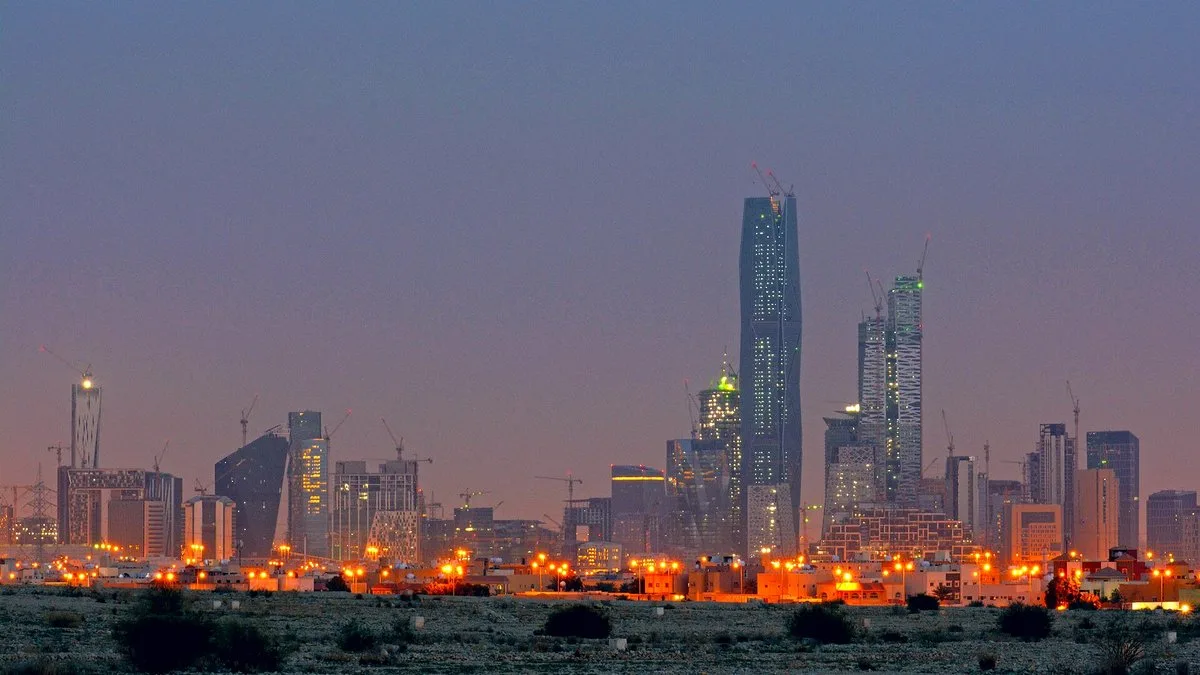
A Houthi attack on Riyadh before dawn on Thursday, November 19, damaged the Public Investment Fund (PIF) Tower, the 385-metre skyscraper that houses Saudi Arabia's sovereign wealth fund. Saudi Civil Defence said several floors of the tower and some nearby buildings in the King Abdullah Financial District (KAFD) were damaged, but no injuries were reported.
The strike is one of the most symbolic hits on the Saudi capital since fighting with Yemen's Houthi movement flared up again this year, and it lands right at the heart of the kingdom's Vision 2030 economic plans.
What happened in Riyadh
Residents said they were woken by a loud blast at around 4:45 am local time. Shortly before that, Civil Defence had sent mobile phone alerts warning of a possible aerial threat, followed later by an all-clear message.
Witnesses quoted by international news agencies said windows were blown out across several floors of the tower, and glass shattered in surrounding buildings, some of them residential.
A Civil Defence spokesman said all necessary measures had been taken at the site and described the attack on civilian infrastructure as a breach of international humanitarian law.
Missile or debris? Accounts differ
The Saudi-led coalition said it had dealt with a missile threat launched by the Houthis towards Riyadh. Its spokesman, Maj Gen Turki Al Malki, said the initial assessment pointed to the impact of debris and that the damage was still being surveyed. He did not say whether the missile had been intercepted.
Reuters, citing people familiar with the matter, reported that a missile struck the tower directly. The Houthis, through their military spokesman Yahya Saree, said they had fired cruise missiles at King Khalid International Airport and Riyadh's financial centre and claimed they hit their targets. The group did not name the PIF Tower specifically.
Key facts at a glance
| Target hit | PIF Tower, King Abdullah Financial District, Riyadh |
| Date | Thursday, November 19, 2026 (around 4:45 am local time) |
| Building | About 385 metres, 80 storeys |
| Occupant | Saudi Public Investment Fund headquarters |
| Damage | Several floors of the tower and nearby buildings |
| Injuries | None reported, says Saudi Civil Defence |
| Claimed by | Houthis say they targeted Riyadh's financial centre and airport |
Saudi response
The coalition said it intercepted a cruise missile and destroyed four ballistic missiles during the night, and struck a missile launch platform inside Yemen. Houthi-run media reported Saudi air strikes on the Yemeni capital Sanaa afterwards; those claims have not been independently confirmed.
Saudi Arabia's Foreign Ministry condemned the attack, warned that it threatened regional and global security, and said the kingdom reserved the right to take all necessary measures in response.
Why the PIF Tower matters
The PIF Tower is one of the most recognisable buildings on the Riyadh skyline. The fund it houses is chaired by Crown Prince Mohammed bin Salman and manages assets worth more than $900 billion, making it the main engine behind Saudi Arabia's giga-projects and global investments. KAFD is also home to the Saudi stock exchange and the offices of several global banks.
Reports suggest most PIF staff had already been working remotely since September because of the security situation, which may explain why there were no casualties.
A widening regional conflict
The attack comes against the backdrop of a wider war in the Gulf region that began in February, when the United States and Israel struck Iran. Fighting in Yemen, largely frozen under a 2022 truce, restarted in July, and the Houthis have since stepped up attacks on Saudi airports, ports and oil facilities. King Khalid International Airport was hit earlier and had only partly reopened in late October. Iran has also continued to disrupt shipping in the Strait of Hormuz.
What it means for India
Saudi Arabia is home to one of the largest Indian communities abroad, with lakhs of Indians working in Riyadh and other cities. No Indian casualties have been reported from Thursday's attack. The kingdom is also India's second-largest crude supplier right now, so any escalation that hits Saudi energy infrastructure or Gulf shipping could quickly push up fuel prices in India.
What happens next
Saudi officials are still assessing the damage to the tower. Reuters reported that Saudi officials expect the Yemen campaign to continue into 2027 before any talks, which suggests Riyadh will keep its air defences on high alert in the coming weeks.




Comments (0)