
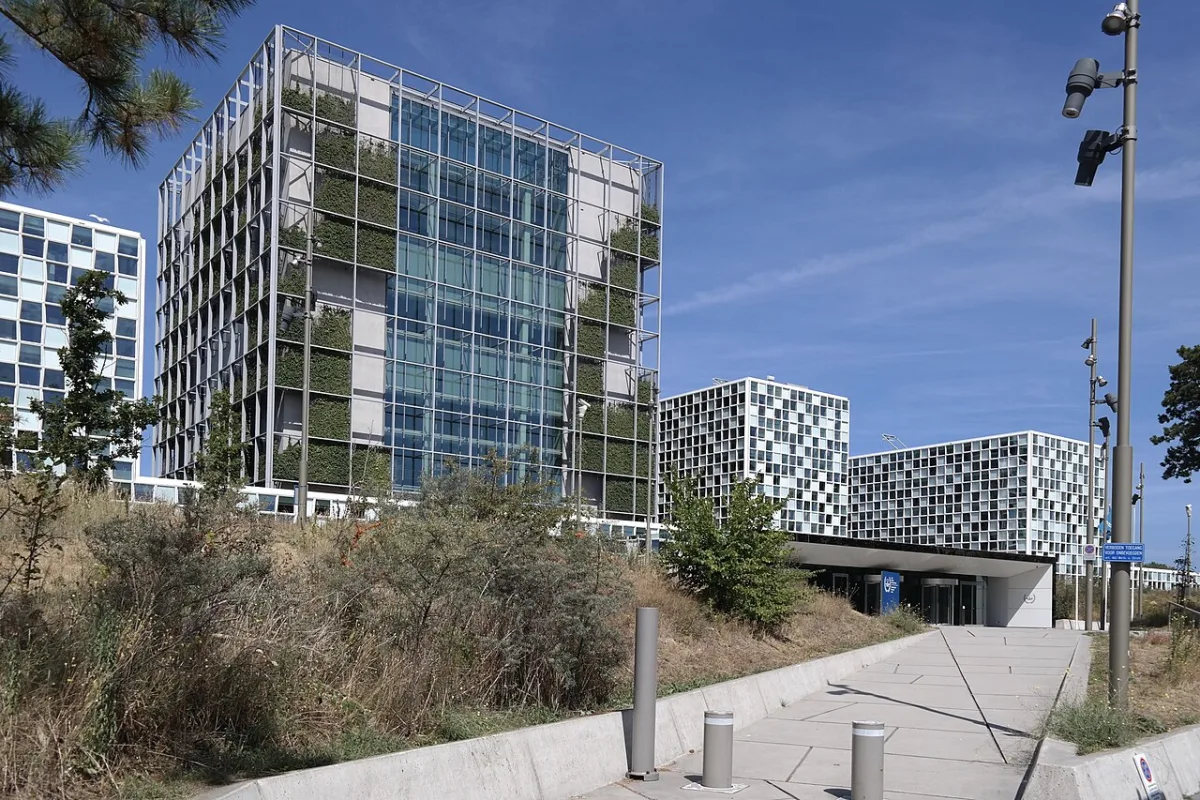
The United States has placed the International Criminal Court (ICC) itself under sanctions, a dramatic step announced on Friday, October 9, just hours after former ICC judge Navi Pillay was named winner of the 2026 Nobel Peace Prize. Secretary of State Marco Rubio announced the move, and the US Treasury added the court to its sanctions list, drawing sharp criticism from Europe, Japan, Canada and the United Nations.
Until now, Washington had targeted individual ICC judges and prosecutors. This is the first time the court as an institution, with roughly 900 staff and 125 member states, has been hit.
What the sanctions do
The action was taken under Executive Order 14203, which President Donald Trump signed in February 2025. With the ICC now on the US Treasury's Specially Designated Nationals list:
- Any ICC property or assets under US jurisdiction are frozen.
- Americans and US companies cannot provide money, goods or services to the court.
- Foreign companies that keep serving the court risk US penalties.
The US has, however, issued temporary licences that allow the court to wind down dealings and keep paying salaries, rent, utilities and some technology services for about six months, until early April 2027. The State Department said this gives member countries time to address US concerns, and Rubio said the measures could be adjusted.
Why the US says it acted
Washington argues the ICC is overstepping its powers by claiming jurisdiction over citizens of countries that never joined it, such as the US and Israel. The flashpoints are the court's Afghanistan investigation, which could reach US personnel, and the November 2024 arrest warrants against Israeli Prime Minister Benjamin Netanyahu and former defence minister Yoav Gallant over the Gaza war. Rubio called the ICC a threat to US sovereignty and warned that the campaign against it would continue unless allies reined it in.
Key facts at a glance
| Date | October 9, 2026 |
| Announced by | US Secretary of State Marco Rubio |
| Legal basis | Executive Order 14203 (February 2025) |
| Target | International Criminal Court as an institution |
| Grace period | About six months, to early April 2027 |
| ICC seat | The Hague, Netherlands |
| ICC members | 125 states (India is not one) |
How the ICC and the world reacted
The ICC called the sanctions an attack on the rule of law and the foundations of the international legal order, said it would not be deterred, and urged its member states to stand by it. The court has reportedly spent more than a year preparing a back-up plan, including moving some US software to European alternatives.
The foreign ministers of the UK, France, Germany, Italy, the Netherlands, Denmark, Canada and Japan said in a joint statement that they regret and strongly disagree with the decision and will keep supporting the court. The Netherlands, which hosts the ICC, said it would stand firm, while Belgium wants EU foreign ministers to discuss using the bloc's "blocking statute", which shields European firms from foreign sanctions, when they meet on Monday.
UN Secretary-General Antonio Guterres was described by his spokesperson as deeply alarmed, calling the move a serious blow to international criminal justice. UN human rights chief Volker Türk called the sanctions unacceptable. Israel's Netanyahu welcomed the decision.
The Nobel connection
South African jurist Navanethem "Navi" Pillay, 85, won the Peace Prize for her work promoting peace and international law. She served as a judge at the ICC from 2003 to 2008 and later as UN High Commissioner for Human Rights. The Nobel committee chair said the prize was a message to those undermining international institutions.
The US has not linked the sanctions to the prize, but the timing has been widely noted. At a rally in Syracuse, New York, the same evening, Trump called the decision an "indelible stain on the country of Norway" and said "we will not forget, Norway". Pillay, speaking on Saturday, called the sanctions unheard of and unacceptable, saying judges were being punished for their judicial orders.
What it means for India
India is not a member of the ICC and has never signed the 1998 Rome Statute that created it, so the sanctions do not directly affect Indian institutions. New Delhi has not commented. The bigger impact for India is indirect: the fight is another sign of strain in the global rules-based order that India often says it supports, and it may complicate dealings for Indian firms providing services to European institutions linked to the court.
What happens next
- EU foreign ministers meet on Monday, October 12, with ICC support on the agenda.
- Lawsuits challenging the US executive order are pending in American courts.
- The grace period for the court's operations runs to around April 2027.
- Pillay will receive the Nobel Peace Prize in Oslo on December 10.





Comments (0)