
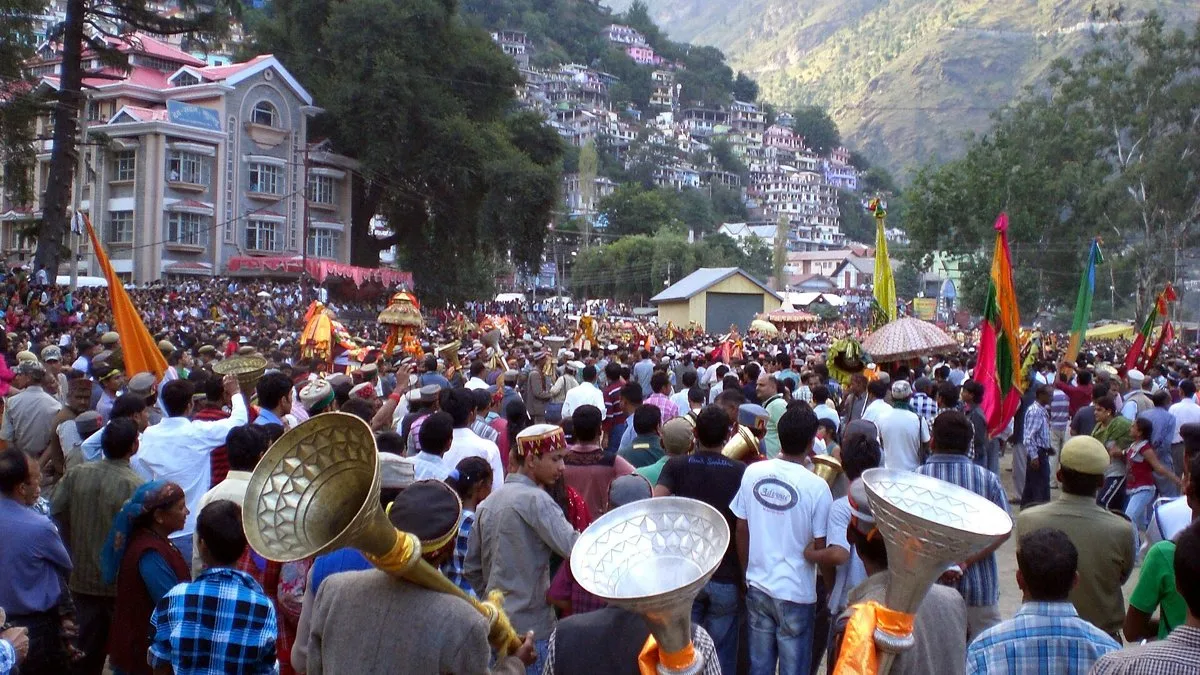
When most of India has already burnt its Ravan effigies and packed away the Dussehra lights, the Kullu valley is only getting started. The week-long International Kullu Dussehra 2026 opens on Wednesday, October 21, with the Rath Yatra of Lord Raghunath Ji, and will run until October 27, turning the town in Himachal Pradesh into a meeting ground for hundreds of village deities, thousands of devotees and visitors from across India and abroad.
Governor Kavinder Gupta is scheduled to join the chariot procession and formally open the festival in the evening at the Lal Chand Prarthi Kala Kendra, according to All India Radio. Preparations have been completed, and deities carried on palanquins by their devotees have been streaming into Kullu from different corners of the district.
Why Kullu Celebrates Dussehra Differently
Kullu's Dussehra is not about burning effigies on the first evening. It begins on Vijayadashami itself and stretches over a full week. At its heart is Lord Raghunath, the presiding deity of the valley, whose chariot is pulled by devotees on the opening day. Village gods and goddesses, each with their own band of musicians playing traditional horns and drums, arrive to pay their respects and stay on for the duration of the fair.
This year, Goddess Hidimba, the presiding deity of Manali, has already reached Kullu, a moment many devotees treat as the true signal that the festival has begun. The gathering reflects what Himachal calls its Dev Sanskriti – a living culture built around local deities, their rituals and their relationships with one another.
What's New at Kullu Dussehra 2026
Organisers have added a modern layer to the centuries-old celebration. Laser shows and a drone show are among the new highlights this year, alongside cultural evenings where troupes from India and other countries will perform folk dances and music.
Reports from the run-up to the festival said around 24 countries were expected to take part, with 12 having confirmed their participation, including the USA, Russia and Thailand. A Global Dance Festival is also part of the programme, which is why the event carries the word "International" in its name.
Kullu Dussehra 2026: Key Facts
| Festival | International Kullu Dussehra 2026 |
| Dates | October 21 to October 27, 2026 |
| Place | Kullu, Himachal Pradesh |
| Opening ritual | Rath Yatra of Lord Raghunath Ji |
| Inauguration | Governor Kavinder Gupta, at Lal Chand Prarthi Kala Kendra |
| Closing ceremony | To be presided over by Chief Minister Sukhvinder Singh Sukhu |
| New attractions | Drone show, laser shows, Global Dance Festival |
| International participation | About 24 countries expected; 12 confirmed, including USA, Russia, Thailand |
| Security | More than 1,200 police personnel deployed |
Security and Crowd Management
With crowds expected to swell over the week, the district administration has deployed more than 1,200 police personnel to maintain order and manage traffic and footfall. The opening day, when the chariot is pulled, and the final day usually draw the biggest crowds. Visitors driving in from Chandigarh, Delhi or Manali should expect congestion on the approach roads and plan parking well in advance.
After the deadly crowd incidents seen elsewhere in the country during this year's festive season, officials are expected to keep a close watch on entry and exit points at the fair grounds.
What It Means for Visitors and Himachal
For Himachal Pradesh, Kullu Dussehra is one of the biggest dates on the tourism calendar. Hotels in Kullu and nearby Manali fill up, local artisans sell shawls, caps and handicrafts at the fair, and folk performers get a rare national and international stage. For travellers, it is a chance to see a version of Dussehra that feels very different from the effigy-burning celebrations of the plains – slower, more ritual-driven, and deeply tied to the valley's village life.
How to Make the Most of Kullu Dussehra
- Arrive early on day one if you want to see Lord Raghunath's chariot procession; crowds build up quickly.
- Book stays in advance in Kullu or Manali, as rooms fill fast during the festival week.
- Catch the evening programmes for folk performances, the international troupes and the new drone and laser shows.
- Respect the rituals – ask before photographing deities' palanquins and follow instructions from temple attendants and police.
- Carry warm layers; October evenings in the valley get chilly.
What Happens Next
Over the next seven days, the fair will host daily rituals, cultural nights and the much-loved meeting of deities. The festival will close on October 27, with Chief Minister Sukhvinder Singh Sukhu expected to preside over the concluding ceremony. Until then, Kullu will stay busy, colourful and loud with the sound of traditional horns echoing across the valley.




Comments (0)