
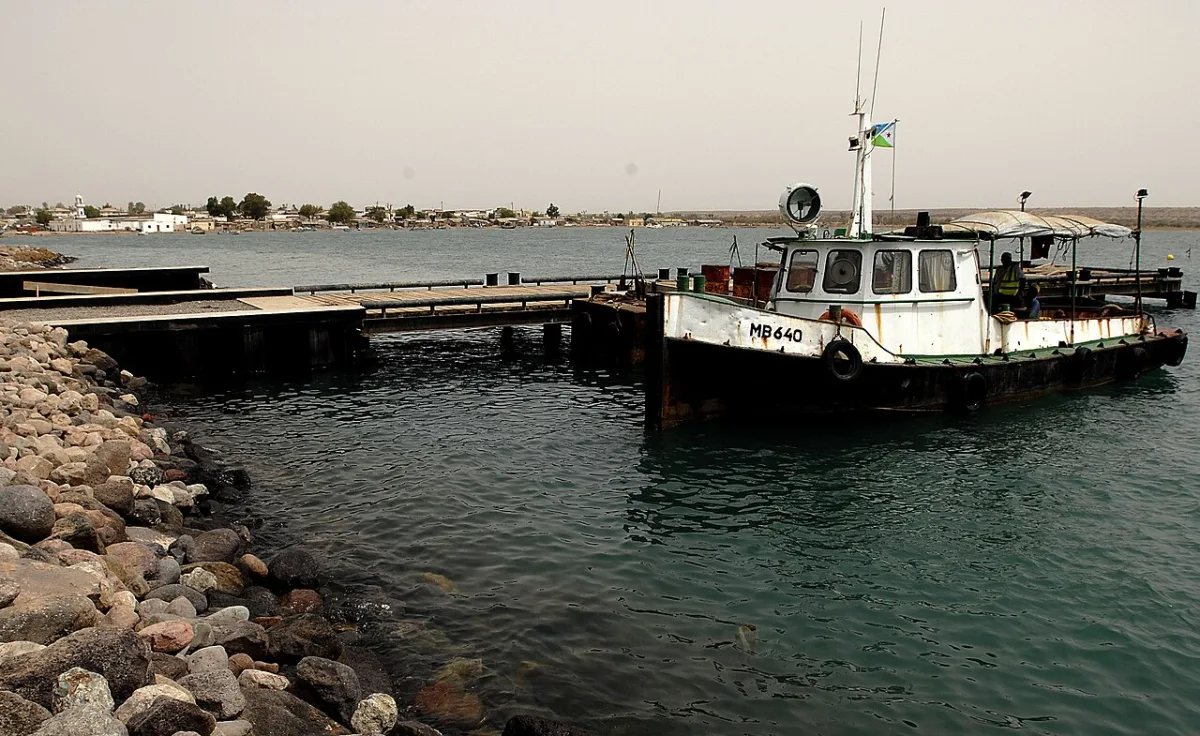
At least 139 migrants, including children, have died after an overcrowded boat capsized off the coast of Djibouti, the UN's International Organization for Migration (IOM) said on Sunday. The vessel, carrying 305 people towards Yemen, went down shortly after setting off from near Guhere, north of the port town of Obock, and at least 84 people are still missing.
It is one of the deadliest shipwrecks yet on the so-called Eastern Route, the dangerous sea crossing that thousands of people from the Horn of Africa attempt every year in the hope of reaching jobs in the Gulf.
What happened off Obock
According to the IOM, the migrants boarded the boat on the evening of October 8. It capsized on Thursday night or in the early hours of Friday, close to the shore, soon after leaving. Alexandre Coissac, the IOM's Chief of Mission in Djibouti, said overcrowding was the main reason the boat sank.
Local authorities were overwhelmed as bodies came ashore at once. The victims were buried in a common grave without names. The confirmed toll of 139, including 15 children, counts only those buried by Djibouti's authorities; bodies buried by fellow migrants will be added after verification, which means the number could rise.
"They all have a mother, a father, and we may never learn what happened," Coissac said, calling the loss of life devastating.
| Location | Near Guhere, north of Obock, Djibouti |
| Destination | Yemen, across the Bab el-Mandeb Strait |
| People on board | 305 |
| Confirmed dead | At least 139, including 15 children |
| Missing | At least 84 |
| Survivors | More than 80, all Ethiopian nationals |
| Main cause (IOM) | Overcrowding |
| Toll announced | Sunday, October 11, 2026 |
The survivors
More than 80 people survived, all of them Ethiopian nationals. They are being treated at the IOM's migrant response centre in Obock for the effects of swallowing seawater, and are receiving psychological support. Some learned there that family members travelling with them had died; others were able to call relatives back home to say they were alive.
IOM Director-General Amy Pope said, "No one gets into a boat like that unless they believe there is no other safe way," and urged governments and donors to act before the next boat goes down.
Why the Eastern Route is so deadly
Every year, tens of thousands of people from Ethiopia and Somalia travel overland to Djibouti, then pay smugglers to take them across the narrow Bab el-Mandeb Strait to Yemen. From there, most try to cross into Saudi Arabia and other Gulf countries in search of work. The boats are usually small, packed far beyond capacity and set off at night to avoid patrols.
The IOM's Missing Migrants Project recorded more than 900 deaths and disappearances on this route last year. This disaster alone accounts for a large part of that figure, and the crossing has become even riskier as fighting escalates in Yemen between the Saudi-backed government and the Iran-backed Houthis. In a sign of how unstable the region is, at least 2,000 Yemenis have recently received aid in Djibouti after fleeing in the opposite direction.
Why it matters to India
The Bab el-Mandeb Strait is not a distant place for India. It is one of the busiest sea lanes in the world, carrying a large share of India's trade with Europe, Africa and the Gulf, and the Indian Navy keeps a regular presence in the nearby Gulf of Aden to protect merchant shipping. The same Yemen conflict that is pushing desperate people onto these boats is also behind recent attacks on ships and Gulf airports that have affected Indian sailors and travellers.
The tragedy is also a reminder of how labour migration to the Gulf, which millions of Indian families depend on through safe and legal channels, plays out very differently for those who have no such options.
What happens next
The IOM says search and identification work is continuing, and the death toll could still rise as bodies buried by other migrants are verified. Aid agencies are calling for more funding for rescue and support centres along the route, and for safer, legal pathways for workers from the Horn of Africa. With the Yemen war intensifying, few expect the crossings to stop soon.





Comments (0)