
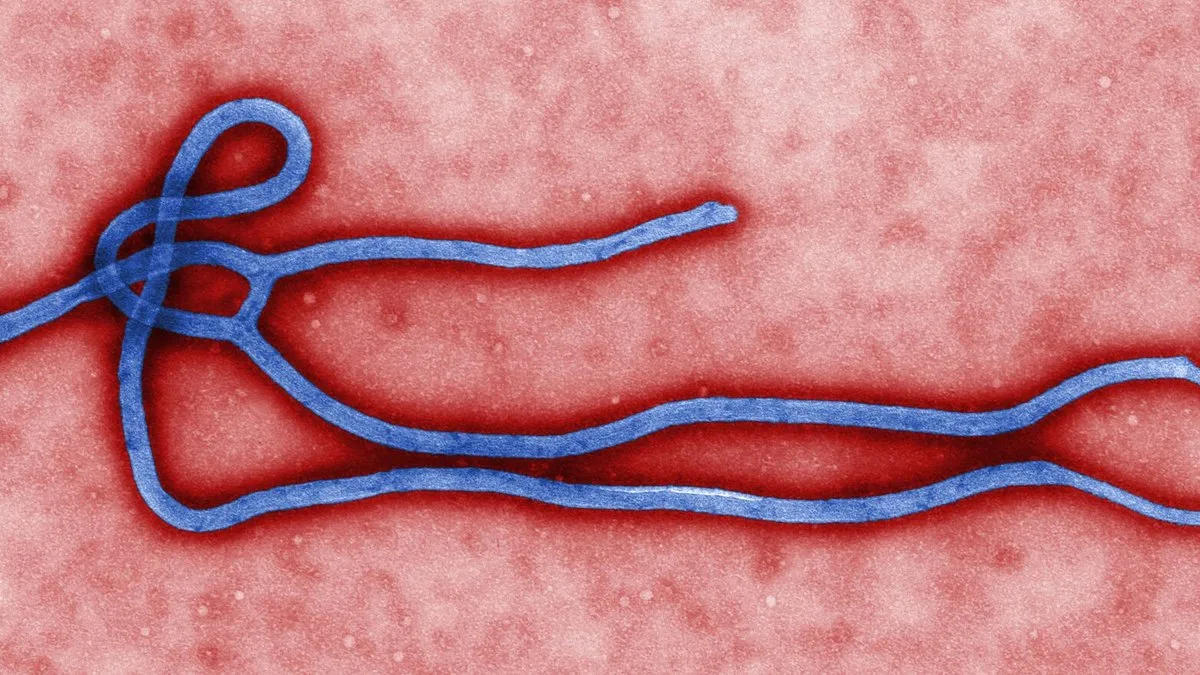
Kenya has recorded its first-ever death from Ebola, a sign that the deadly outbreak raging in central Africa is spreading beyond its original borders. The victim, a Kenyan man who had been living in the Democratic Republic of Congo, died in Nairobi days after travelling home through Uganda, and health authorities have confirmed he was infected with the Bundibugyo strain of the virus.
Kenyan officials have isolated dozens of contacts and urged the public not to panic, while the World Health Organization has rushed testing kits and protective gear to the country.
What Happened in Kenya
According to Kenya's Ministry of Health, the man had lived in Congo for about seven years. He fell ill there roughly a month ago and received treatment locally. He then travelled by road to Kampala in Uganda and took a flight to Nairobi, where he was admitted to hospital and later died.
Health Cabinet Secretary Aden Duale announced the case and appealed for calm. "I wish to assure the public not to panic, as all systems are in place to mitigate the spread of the disease," he said.
Officials have identified 28 close contacts, including family members and health workers who treated the patient. Passengers and crew on his flight from Uganda are also being traced. All contacts are being kept in isolation for 21 days, the maximum incubation period of the virus, and will only be released after testing negative.
The Wider Outbreak: Key Facts
The current outbreak was declared in the Democratic Republic of Congo in mid-May 2026, and the WHO declared it a Public Health Emergency of International Concern within days. It has since grown into one of the largest Ebola outbreaks on record.
| Detail | Status |
|---|---|
| Strain | Bundibugyo ebolavirus |
| Outbreak declared | Mid-May 2026, Democratic Republic of Congo |
| Countries with cases | DR Congo, Uganda and now Kenya |
| Total reported (as of October 2) | About 8,463 cases and 4,082 deaths |
| Approved vaccine for this strain | None yet; candidates under fast-track development |
| Kenya contacts in isolation | 28 identified, 21-day monitoring |
Why the Bundibugyo Strain Is a Concern
Ebola is not a single virus but a group of related viruses. The vaccine widely used in recent outbreaks was developed against the Zaire strain and is not approved for Bundibugyo. That leaves health workers relying mainly on early detection, isolation, contact tracing and supportive care such as fluids and treatment of symptoms. Several vaccine candidates for Bundibugyo are being fast-tracked, but none has yet been approved.
How Ebola Spreads and Its Symptoms
Ebola is not an airborne disease like the flu or COVID-19. It spreads through direct contact with the blood or body fluids of a person who is sick with or has died from the disease, or through contaminated objects such as bedding and needles. People are generally not infectious before symptoms appear.
- Early symptoms: sudden fever, tiredness, muscle pain, headache and sore throat.
- Later symptoms: vomiting, diarrhoea, rash and, in some cases, internal and external bleeding.
- Incubation period: from 2 to 21 days after exposure.
- What to do: anyone who develops these symptoms after travel to an affected area should seek medical care immediately and inform health officials of their travel history.
What It Means for India
Union Health Minister J P Nadda has said that no Ebola case has been reported in the country so far and that screening has been strengthened at airports and other points of entry. Earlier in the outbreak, India's Union Health Ministry put an emergency response plan in place and issued a public advisory against non-essential travel to affected countries, while states such as Kerala stepped up screening and health surveillance of passengers arriving from the region.
Kenya is an important travel and trade link for India, with regular flights between Nairobi and Indian cities and a large Indian-origin community living there. Indian travellers heading to East Africa should follow the latest advisories, avoid contact with sick people and avoid handling bush meat, and report any fever on return. Health experts stress that the risk to the general public in India remains low, and that strict screening and isolation are the best defence.
What Happens Next
The next three weeks are critical for Kenya. If none of the contacts falls ill during the 21-day monitoring period, the chain of transmission in the country could be broken. The WHO says it is working closely with Kenyan authorities and has delivered about 1,000 Ebola tests and 1,000 sets of protective equipment to high-risk counties. Neighbouring countries are expected to tighten border screening, and global health agencies will be watching closely to see whether the outbreak can be contained before it reaches more cities.






Comments (0)