
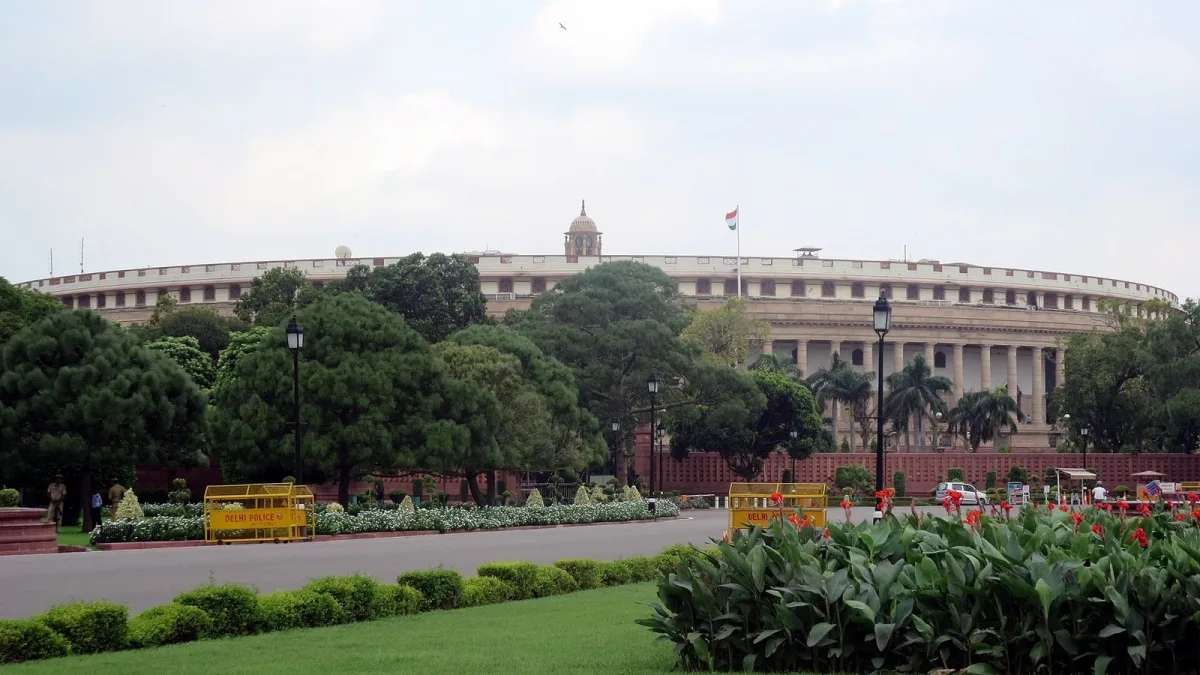
India's Parliament turns host to the BRICS world this week. The 12th BRICS Parliamentary Forum opens on Monday, October 26, in the historic Central Hall of Samvidhan Sadan in New Delhi, bringing together presiding officers and lawmakers from BRICS member and partner countries for two days of talks. Lok Sabha Speaker Om Birla is leading the event as part of India's BRICS chairship in 2026.
The forum runs until October 27 under the theme "Strengthening Parliaments for People-Centric Development", and Prime Minister Narendra Modi is expected to attend and meet the visiting delegation leaders.
Why this forum matters
BRICS summits usually grab headlines for what heads of government say. The parliamentary track is quieter but no less important: it is where elected lawmakers from very different political systems compare notes on how laws get made, how budgets are scrutinised and how governments are held to account. For India, hosting the forum in the year it chairs BRICS is a chance to showcase its own parliamentary model and build personal links with lawmakers across the Global South.
The choice of venue is symbolic too. Samvidhan Sadan, the old Parliament House, is where India's Constitution was debated and adopted. Its Central Hall now hosts the delegates.
Who is attending
According to the Lok Sabha Speaker, delegates from 11 BRICS member countries and 10 specially invited partner countries are taking part. Two countries have stayed away: Saudi Arabia and Ethiopia declined to participate.
Russia has sent a high-profile delegation. Vyacheslav Volodin, Chairman of the State Duma of the Russian Federal Assembly, arrived in New Delhi on Sunday, October 25. A bilateral meeting and a session of the India-Russia Parliamentary Friendship Group are also planned on the sidelines.
From the Indian side, Union Ministers, Rajya Sabha Deputy Chairman Harivansh, presiding officers of state legislatures and MPs are among those attending.
BRICS Parliamentary Forum 2026: key facts
| Edition | 12th BRICS Parliamentary Forum |
| Dates | October 26–27, 2026 |
| Venue | Central Hall, Samvidhan Sadan, New Delhi |
| Host | Parliament of India (Lok Sabha Speaker Om Birla) |
| Theme | Strengthening Parliaments for People-Centric Development |
| Participants | 11 BRICS members + 10 invited partner countries |
| Declined | Saudi Arabia, Ethiopia |
| Sessions | Resilience, Innovation, Cooperation, Sustainability |
What is on the agenda
The forum is built around four high-level sessions on resilience, innovation, cooperation and sustainability. Each is meant to look at how parliaments can make development policy work better for ordinary people, from disaster preparedness to the use of technology in law-making.
The groundwork was laid on Sunday, when secretaries of the delegations met to finalise the forum's Joint Statement. Suggestions for the text came in from 18 countries, and the agreed text will set out the common ground the participating parliaments have found.
Birla's pitch: parliamentary diplomacy
Announcing the forum at a press conference at Parliament House last week, Om Birla called it a new chapter in India's parliamentary diplomacy. He pointed out that India has set up Parliamentary Friendship Groups with 64 countries, an effort on a scale he described as a first.
Birla also spoke about the digital shift in Indian legislatures, saying most Legislative Assemblies in India have gone paperless, an experience India is keen to share with partner parliaments. On security, he said terrorism is a serious challenge for the world and must end in every country, a line that reflects India's long-standing push for a firm BRICS position on cross-border terror.
What it means for India
For New Delhi, the forum adds another layer to a busy BRICS chairship year. Strong parliamentary ties can smooth the way for trade deals, cultural exchanges and votes in multilateral bodies, because many agreements eventually need legislative approval at home. The meetings on the sidelines, especially with Russia's Duma chief, will be watched closely at a time when global politics is unusually tense.
The absence of Saudi Arabia and Ethiopia is a reminder that the expanded BRICS is still a loose grouping, with members choosing where and how deeply to engage.
What happens next
The forum's sessions run through Monday and Tuesday, with bilateral meetings in between. The Joint Statement that comes out of the meeting will set out shared positions of BRICS parliaments and feed into the wider BRICS process under India's chairship.




Comments (0)