
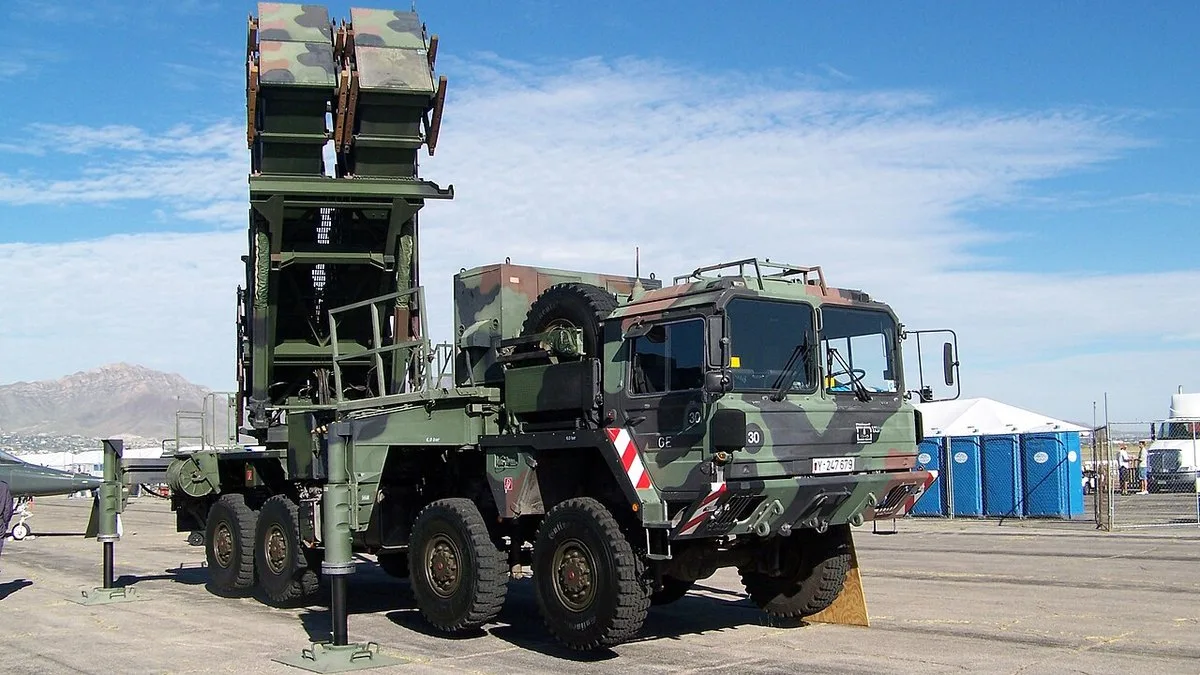
Ukraine has won approval for one of its most-wanted shopping lists, but it may not get the goods in time for the season it fears most. The US State Department on Friday, October 30, 2026, approved a possible sale of 500 Patriot PAC-3 MSE interceptor missiles to Kyiv, a package valued at about $2.1 billion. President Volodymyr Zelensky welcomed the decision but warned that, under the current terms, deliveries may only begin in a few years.
That gap between approval and arrival sits at the heart of Ukraine's winter worries, with Russia expected to keep hammering the country's power grid as temperatures fall.
What the US has approved
The PAC-3 MSE is the most advanced interceptor in the Patriot family and one of the few weapons that can reliably bring down incoming ballistic missiles. The missiles are built by Lockheed Martin. The State Department said it was not aware of any offset agreement linked to the sale, though Kyiv and the manufacturer are free to negotiate one.
Importantly, Washington is not paying for these missiles. Ukraine will fund the purchase with money from Canada, Germany and Norway, along with a European Union loan. Most of Ukraine's Patriot supplies already come through NATO's Prioritised Ukraine Requirements List (PURL), a mechanism that lets allies buy American equipment for Ukraine. By June 2026, allies had committed more than $6 billion through that scheme, according to NATO.
Key facts
| Weapon | Patriot PAC-3 MSE interceptor missiles |
| Quantity | 500 |
| Estimated value | About $2.1 billion |
| Approved by | US State Department, October 30, 2026 |
| Manufacturer | Lockheed Martin |
| Funding | Canada, Germany, Norway and an EU loan; no US financing |
| Delivery | No date given; Zelensky says it could take years |
Zelensky: grateful, but winter can't wait
Zelensky called 500 interceptors "a substantial number" that could make a big difference if they reached Ukraine this winter. The problem, he said, is that the terms suggest deliveries "may begin only in a few years". Ukraine's own stock of these interceptors ran out earlier in October, according to US media reports.
His proposal is simple: allies who already hold PAC-3 missiles in their warehouses should send them to Ukraine now, for the winter of 2026-27, and then refill their own stocks later from production that Ukraine and its partners have already contracted and paid for. He has also asked Washington for a winter support package of around 100 interceptors a month.
Earlier in the week, Zelensky had complained that Kyiv waited nearly a month for US Defence Secretary Pete Hegseth to sign off on a separate batch of missiles for Patriot and NASAMS systems.
Background: a strained relationship
The approval comes at a tense time in ties between Washington and Kyiv. US President Donald Trump recently announced a deal allowing Russian diesel exports and waived some sanctions tied to Russian fossil fuel sales. He has also threatened to withhold intelligence over Ukrainian drone strikes on Russian refineries, and Ukraine's access to the Starshield satellite system was briefly throttled before being restored.
In July, Trump had said Ukraine would get a licence to make its own Patriot missiles, which could ease pressure on American production lines during a global munitions shortage. He has reportedly stepped back from that idea, and even if it went ahead, building a factory would take years.
Why interceptors are so scarce
PAC-3 MSE missiles are expensive and slow to produce, and demand has surged worldwide because of the war in Ukraine and conflicts in West Asia. Every country holding Patriots is reluctant to run down its own stockpile, which is why Zelensky's call to "lend now, replace later" is a tough ask even for friendly governments.
Why it matters for India
For Indian readers, the story is a reminder of how central air defence has become in modern war. India has invested heavily in layered air defence, from the S-400 to indigenous systems, and the global squeeze on interceptors underlines why domestic production matters. A long, grinding war in Ukraine also keeps energy and fertiliser markets jittery, which feeds into prices at home.
What happens next
The State Department approval is a first step. Congress has a review window, after which Ukraine and Lockheed Martin must sign a formal contract and fix a delivery schedule. The real test will be whether European partners respond to Zelensky's appeal and release missiles from their own stocks before Russia's winter strikes intensify.





Comments (0)