
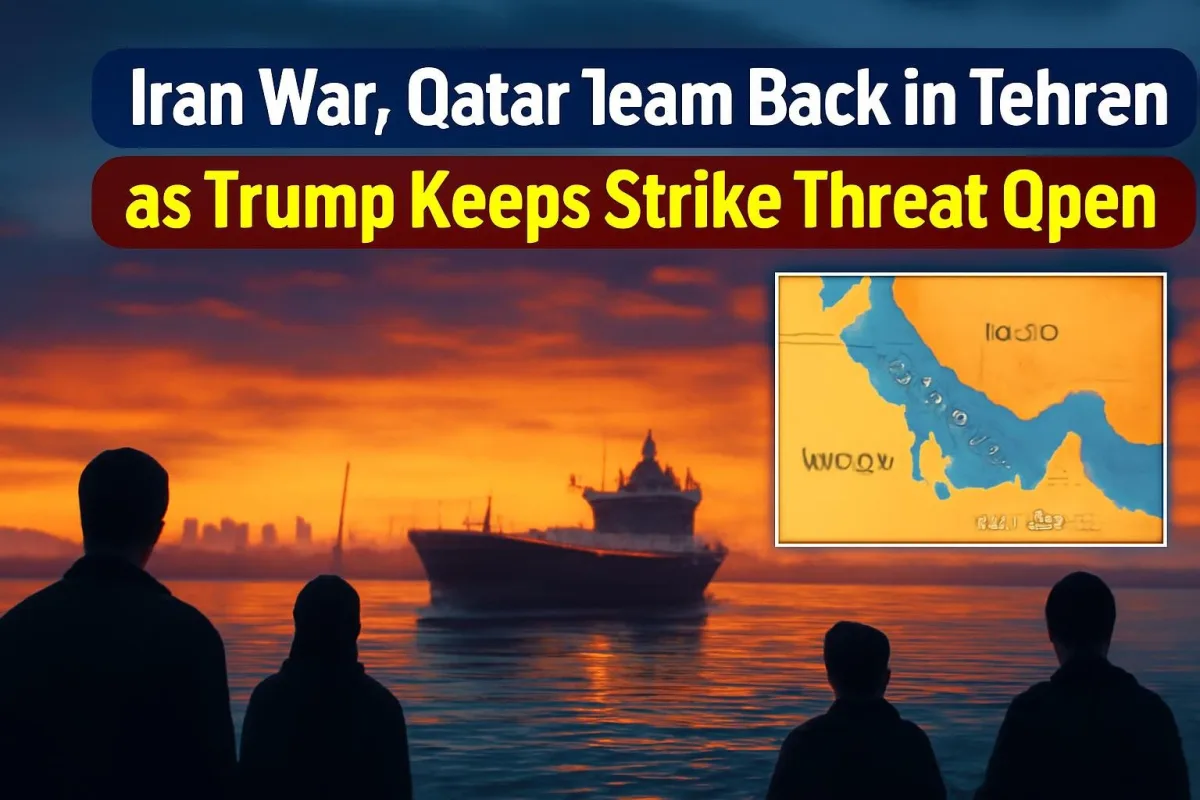
A Qatari delegation returned to Tehran on Friday, October 30, carrying fresh efforts to end the war between the United States and Iran, now more than eight months old. The visit was coordinated with Washington, according to Iranian state media and international news agencies, and came as President Donald Trump publicly kept open the option of resuming major strikes while also saying Iran wants to talk.
The diplomacy is unfolding against a tense backdrop in the Strait of Hormuz, where a tanker was struck by a projectile on Thursday evening, a reminder of why this conflict matters so much to oil-importing countries like India.
How the War Reached This Point
The conflict began in February with joint US-Israeli strikes on Iran that killed several senior Iranian leaders and commanders, including Supreme Leader Ayatollah Ali Khamenei. The two sides signed a memorandum of understanding in June, but talks have since stalled. The US says it is enforcing a naval blockade of Iran's ports on the Persian Gulf and the Gulf of Oman, while Tehran claims control over the Strait of Hormuz.
Qatar's New Draft Deal
Qatari mediators presented Iran with a new draft agreement earlier this week. Iran's Foreign Minister Abbas Araghchi said on Wednesday that Tehran "continues to give diplomacy a chance to succeed". Not everyone in Tehran sounded as open. A senior Iranian official described Qatar's ideas as "unacceptable" and said Iran would not change its nuclear position.
Iran's core demands have stayed the same. Tehran wants the US blockade of its ports lifted, sanctions on its oil and gas sales eased, and its frozen assets abroad released. It is pushing for a new ceasefire using its earlier proposal as the base.
The Vance Letter
Adding a twist, US media reported that Vice President JD Vance had sent a letter to Iranian hardliner Mohsen Rezaei. Trump confirmed the outreach but said it was meant only to help get medical aid into Iran, not to restart wider peace talks. Iranian media said Tehran had not yet replied.
Trouble in the Strait of Hormuz
On Thursday evening, the UK Maritime Trade Operations centre reported that a tanker leaving the strait by the southern route encouraged by the US had been hit by a projectile. No injuries were reported. Separately, Iran's Revolutionary Guard claimed that four tankers had hit sea mines that day. Those claims have not been independently verified, and it is not clear whether they refer to the same incident.
Why Qatar Matters
Qatar has built a reputation as a go-between that both Washington and Tehran are willing to talk through. It hosts a major US military presence while keeping working ties with Iran, with which it shares a huge offshore gas field. That gives Doha an unusual ability to carry messages back and forth when the two sides refuse to meet directly. The fact that this latest trip was coordinated with the US suggests Washington wants the channel kept open, even as Trump talks tough in public.
The Cost So Far
| War began | February 2026, with US-Israeli strikes on Iran |
| US service members killed | 23 (11 by enemy fire, 12 non-hostile), per Pentagon |
| Estimated US cost | $47.1 billion up to mid-October, per a Pentagon document |
| Mediator | Qatar, coordinating with the US |
| Iran's key demands | End of port blockade, sanctions relief, release of frozen assets |
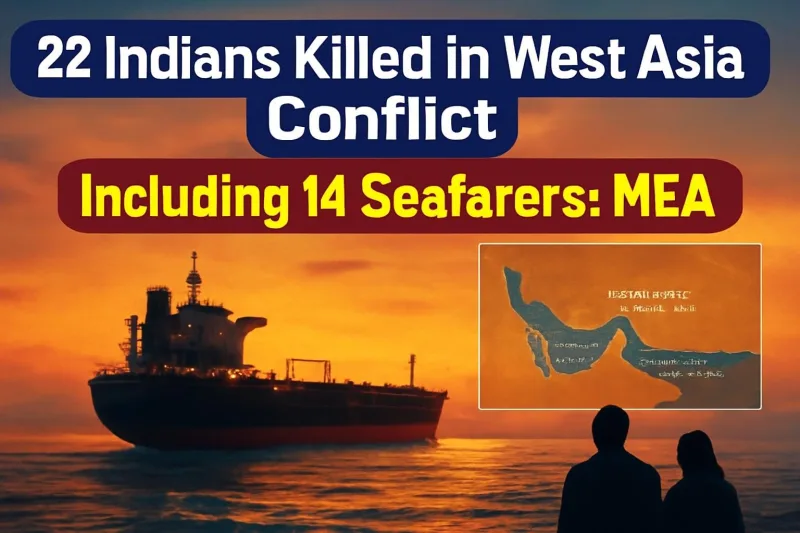
| Indians killed in West Asia conflict | 22, including 14 seafarers, per MEA |
Why It Matters for India
A large share of India's crude oil and LPG imports passes through or near the Strait of Hormuz, so every attack on shipping there feeds into freight costs, insurance premiums and, eventually, fuel prices at home. The human cost is already real. The Ministry of External Affairs has said 22 Indians have been killed in the West Asia conflict, 14 of them seafarers, and lakhs of Indians live and work across the Gulf.
The pressure is being felt well beyond the region. French President Emmanuel Macron this week blamed rising cost-of-living protests in France on the war, the Hormuz blockade and high fuel prices.
What Happens Next
All eyes are on Iran's formal response to the Qatari draft and on whether Washington softens its terms on the blockade. Trump has said he believes the conflict will end "very soon", but he has also refused to rule out fresh attacks. Until there is a signed ceasefire, shipping through Hormuz is likely to remain risky, and oil markets will stay on edge.

Comments (0)