
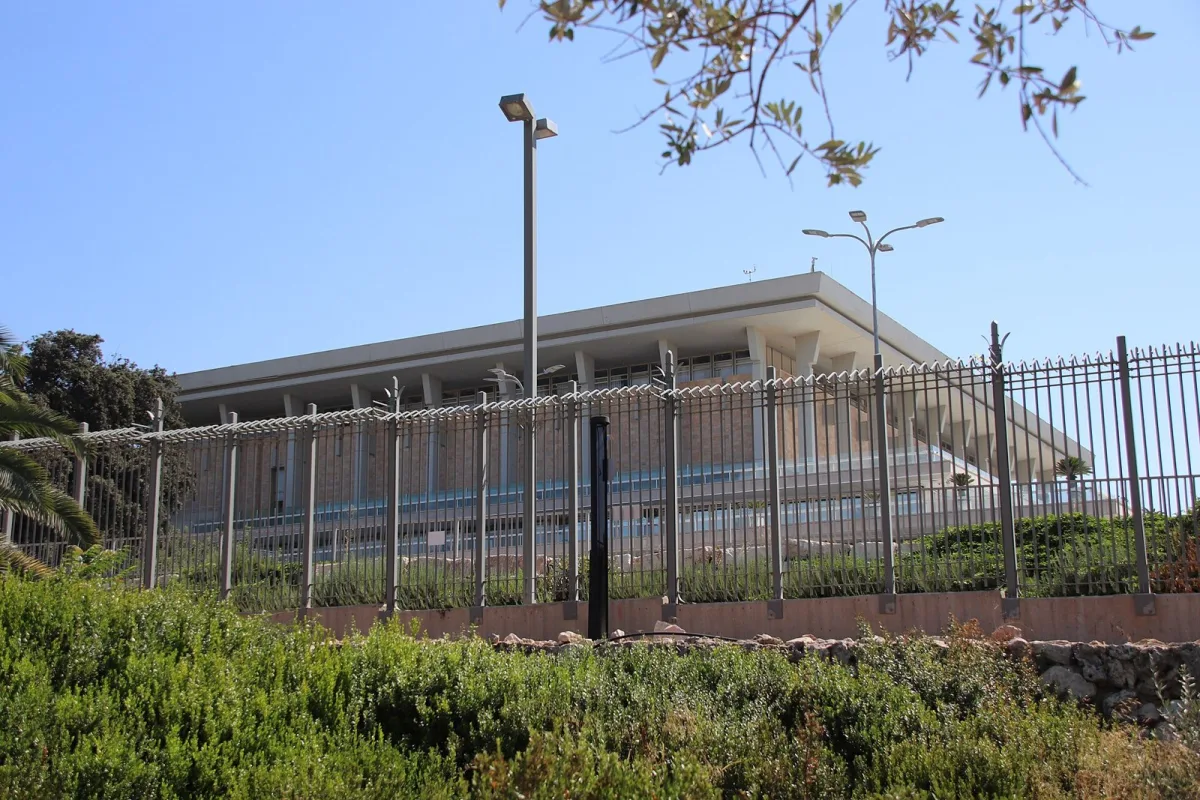
Israelis are voting today, October 27, in a Knesset election that is being read as a referendum on Benjamin Netanyahu after three years of war. About 7.3 million people are eligible to choose all 120 members of the 26th Knesset, and the final opinion polls show Netanyahu's Likud-led bloc locked in a tight race with an opposition alliance headed by former army chief Gadi Eisenkot.
Polls opened at 7 am local time and main polling stations close at 10 pm, which is 1:30 am on Wednesday in India. The first real sense of who is ahead will come from television exit polls the moment voting ends, but the official result is not due until November 4, and forming a government could take far longer.
Why this Israel election matters
This is the first national vote in Israel since the Hamas-led attack of October 7, 2023, which killed around 1,200 people and saw 251 taken hostage. The war in Gaza that followed, the 12-day campaign against Iranian nuclear sites in 2025, and Israel's part in the US war on Iran this year have dominated public life ever since. Gaza's health authorities say more than 74,000 people have been killed in Israeli strikes.
The 25th Knesset dissolved on July 17 after serving its full four-year term, so this is a scheduled election rather than a snap poll. Even so, it has the feel of a turning point. Netanyahu, Israel's longest-serving prime minister with 19 years in office, is campaigning on his wartime record and his close ties with US President Donald Trump, who has endorsed him. He continues to deny the corruption charges against him in a criminal trial that has run for years, but the case has cost him support among some voters.
Netanyahu vs Eisenkot: who is in the race
Thirty-six parties are on the ballot, though most are not expected to cross the 3.25% threshold needed to win seats. The contest that matters is between two blocs.
The Netanyahu camp
Likud, which agreed to merge with New Hope before the vote, leads a bloc that has traditionally relied on the ultra-Orthodox parties Shas and United Torah Judaism and on far-right partners such as Itamar Ben-Gvir's Otzma Yehudit (Jewish Power) and Bezalel Smotrich's Religious Zionist Party. Reports suggest Ben-Gvir's party has gained ground during the campaign.
The Eisenkot-led challenge
Gadi Eisenkot, a former chief of staff of the Israel Defence Forces, heads the main challenge through his Yashar party and its allies. He opposes a two-state solution but has criticised settler violence in the occupied West Bank and refuses to sit with Ben-Gvir and Smotrich. He has also ruled out a formal partnership with Arab parties. Eisenkot has accused Netanyahu of running "a campaign of fear-mongering, lies and threats". Other opposition players include the Together list of Naftali Bennett and Yair Lapid, Avigdor Lieberman's Yisrael Beiteinu and Yair Golan's The Democrats.
Analysts expect only a narrow margin either way. One scenario widely discussed in Israeli media is a minority government led by Eisenkot that survives with outside support from Arab parties, which makes Arab voter turnout one of the numbers to watch tonight.
Israel election 2026: key facts at a glance
| Polling day | Tuesday, October 27, 2026 |
| Seats at stake | 120 (61 needed for a majority) |
| Eligible voters | About 7.3 million, including roughly 330,000 first-time voters |
| Parties on the ballot | 36 |
| Entry threshold | 3.25% of valid votes |
| Polling hours | 7 am to 10 pm local (10:30 am to 1:30 am IST) |
| Exit polls | Released by broadcasters at 10 pm local time |
| Official results | Due by November 4; appeals deadline November 18 |
| Main contenders | Benjamin Netanyahu (Likud) vs Gadi Eisenkot (Yashar) |
What happens after the votes are counted
Israel uses a single nationwide list system, so seats are shared out in proportion to votes once the small parties below the threshold are excluded. No party has ever won a majority alone, which means the real contest begins after the count.
- Exit polls (tonight): Broadcasters publish projections at 10 pm. They are often close but can differ from the final tally by a few seats, enough to change the coalition maths.
- Preliminary count (Wednesday): Most votes are counted overnight, with soldiers' and special ballots following.
- Official results (by November 4): The Central Elections Committee confirms the numbers.
- President's consultations: President Isaac Herzog meets every party and asks the MP with the best chance of building a majority to form a government.
- Coalition talks: These can take weeks or months. If nobody succeeds, Israel could head for yet another election, with Netanyahu staying on as caretaker prime minister in the meantime.
What it means for India
For India, the outcome matters on several fronts. Israel is one of India's most important defence technology partners, supplying systems used by all three services, and New Delhi has worked with successive Israeli governments regardless of who is in charge. The two countries have also been talking about a free trade agreement, and Israel is a key piece of the proposed India-Middle East-Europe Economic Corridor.
The bigger worry for Indian households is the wider region. Tension with Iran has already pushed global oil prices sharply higher this year and disrupted flights and shipping across the Gulf, where millions of Indians live and work. A government in Jerusalem that either escalates or eases that conflict will be felt in fuel prices and travel advisories in India. Thousands of Indian workers in Israel's construction and caregiving sectors will also be watching closely.
What to watch next
The first numbers to look for are the exit poll seat counts for Likud and Yashar, whether both blocs stay short of 61, and how many smaller parties survive the threshold. If the far right gains strongly, Netanyahu's path back becomes easier; if Arab turnout is high and small opposition parties cross the line, Eisenkot's chances improve. Either way, Israel's next government may not be known for weeks.





Comments (0)