
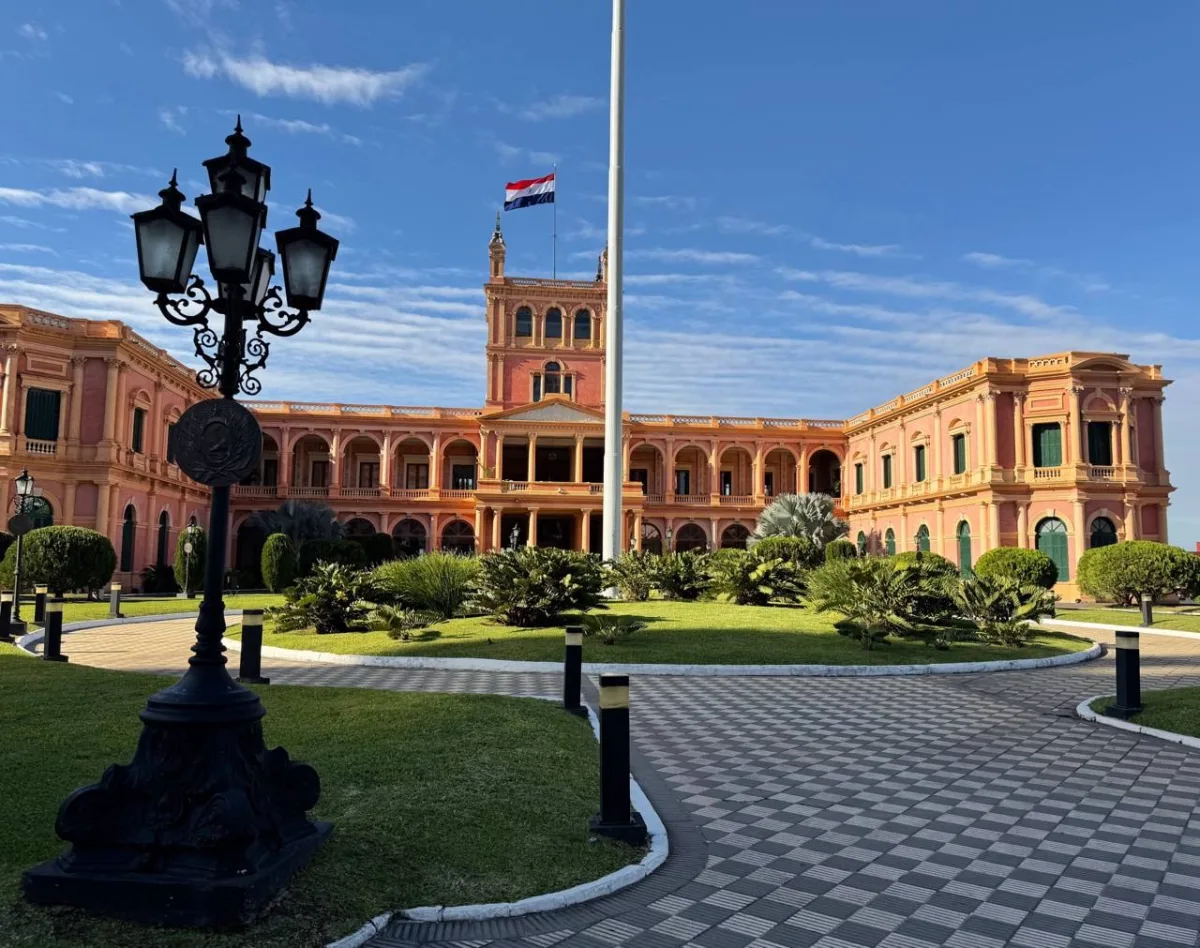
Paraguay has a new president after one of the fastest political collapses South America has seen in years. Vice-President Pedro Alliana was sworn in as the country's 53rd president on Friday, November 6, minutes after the Senate voted to remove Santiago Peña over his links to the failed digital lender Ueno. Peña, who had offered to resign a day earlier, was placed under house arrest at his home in Asunción.
Within a single week, a bank failure turned into a national crisis, then into an impeachment, and finally into a change of head of state.
How the Ueno Bank Crisis Began
On Tuesday, November 3, Paraguay's central bank said Ueno had fallen below the legal solvency standard and did not hold enough collateral to cover its loans and other ventures. The regulator took over the lender and moved its remaining assets to other banks. Overnight, customers lost access to their accounts, and many pensioners could not draw their payments.
Ueno was no small player. It was Paraguay's fifth-largest bank by deposits and claimed around three million members, a huge share of the country's adult population. Reports say about $800 million in public money helped fuel its growth, including roughly $355 million from state pension funds.
The political danger for Peña came from his past link to the bank. In 2023 he was identified as a shareholder in Ueno's parent company. He has said he sold those shares in early 2025, but prosecutors are examining whether the bank was shielded from scrutiny because of its government connections.
Resignation Offer Rejected, Impeachment Fast-Tracked
On Thursday, November 5, Peña offered to step down, saying the country's democratic institutions had to be protected. Congress refused to accept the resignation. Lawmakers noted that resigning would have given him a seat in the Senate as a former president, along with protection from arrest.
Instead, the Chamber of Deputies voted 78-0 to impeach him that same day. On Friday, 44 of the 45 senators voted to remove him from office, with one abstention. Peña did not appear in person and sent his lawyers, who argued that the time given for his defence was not enough.
| Bank seized | Ueno, taken over by the central bank on November 3 |
| Chamber of Deputies vote | 78-0 to impeach (November 5) |
| Senate vote | 44 of 45 for removal, 1 abstention (November 6) |
| New president | Pedro Alliana, 52, sworn in November 6 |
| Term ends | August 2028 |
| Peña's status | House arrest in Asunción, under investigation |
| Others charged | At least 27 people, including lead shareholder Miguel Vázquez |
Peña Under House Arrest
Prosecutors ordered Peña's house arrest soon after the Senate vote. He is being investigated for alleged breach of trust, influence peddling and misappropriation of funds, and was due to be questioned on Saturday. Prosecutor Silvia González said he allowed officers into his home voluntarily and made himself available for the legal process. Peña has said he will cooperate.
In a social media message, he said he was leaving "with gratitude" while acknowledging the anguish of people still waiting for answers. Former president Horacio Cartes, the most powerful figure in the ruling Colorado Party, backed the impeachment, saying it was needed to restore the republic's institutions.
The fallout has spread beyond the president. An arrest warrant has been issued for Carlos Carvallo, the former central bank chief who resigned earlier in the week, as the regulator faces questions over its oversight of Ueno.
Who Is Pedro Alliana?
Alliana, 52, comes from Pilar, a river town in southern Paraguay. A former national basketball player, he moved into politics as governor of Ñeembucú department and later served in the Chamber of Deputies from 2013 to 2023, including three years as its president. He also led the Colorado Party before becoming Peña's vice-president in 2023.
He was long seen as close to Cartes, though that relationship has cooled in recent weeks. Alliana now has to steady the economy, restore confidence in the banking system and get frozen savings and pensions flowing again. He has vowed to tackle the crisis, and will serve the rest of Peña's term until August 2028.
Why It Matters Beyond Paraguay
For Indian readers, the Paraguay story is a sharp reminder of how quickly a fast-growing digital lender can become a systemic risk when public money and political links are involved. India has a fast-expanding fintech and digital banking sector of its own, and regulators here keep a close eye on how deposits, pension funds and digital lenders are supervised. Paraguay is also a member of the Mercosur trade bloc, with which India has a preferential trade agreement, so political stability there matters for trade too.
What Happens Next
The questioning of Peña marks the start of what could be a long legal process. Investigations against the 27 people charged in the Ueno case will continue, and the search for Carvallo is on. For ordinary Paraguayans, though, the most urgent question is simple: when will they get their money back? How Alliana's new government answers that will shape the rest of his term.

Comments (0)